



TERN is Australia's Ecosystem Observatory
TERN provides world-class research infrastructure to monitor and understand changes to our environment and climate and enable predictions of future risks.
More results...
About TERN
TERN measures key terrestrial ecosystem attributes over time from continental scale to field sites at hundreds of representative locations and openly provides environmental monitoring and assessment model-ready data that enable those undertaking environment and ecology research to detect and interpret changes in ecosystems.
Data Discovery Portal
Discover, access and reuse datasets derived from TERN observatory measured by systematic site-surveys, remote-sensing, model-derived and in-situ sensors.
OPEN DATA
- Continental-scale gridded remote sensing, soil and landscape products
- Plot-based soil and vegetation surveillance monitoring data
- Aggregated state government survey data
- Calibration and validation data for remote sensing
- Time series flux tower, phenocam and acoustic monitoring sensor data
DATA
INFRASTRUCTURE
- Cloud-based virtual desktop to run and share experiments (CoESRA)
- Data submission, harmonisation and retrieval of ecological data (SHaRED)
- Discovery, mapping and analysis of landscape-scale ecosystem datasets (Data Visualiser)
- Cloud-based analysis, synthesis and training platform
STANDARD METHODS, PROTOCOLS & COLLECTIONS
- Catalogued plant and soil sample collection
- Nationally consistent field methods
- Guidelines for calibration and validation of remotely-sensed data
- Field data collection apps
SITE-BASED INSTRUMENTS & MONITORING
- Eddy covariance flux towers
- Heat flux plates
- Radiometers
- Anemometers
- Infrared Gas Analysers
- Spectrometers
- CosmOz soil moisture meters
- Groundwater bores
- Ecoacoustic sensors
- Phenocams
- Terrestrial laser scanners
- UAV/drones
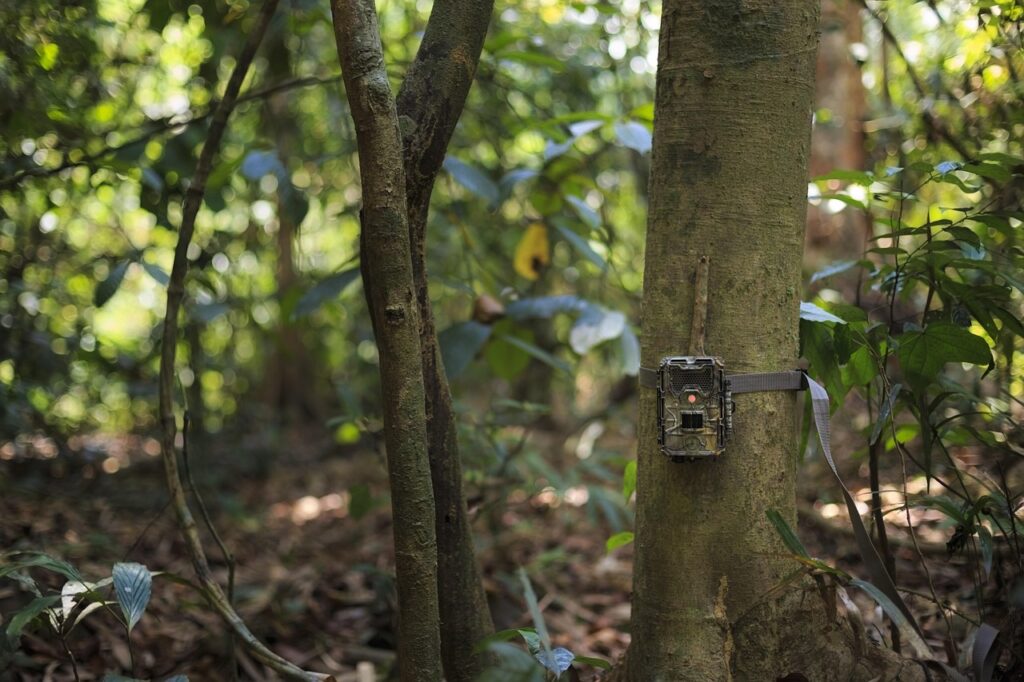
- Camera traps
- Photopoints and more
WE HAVE MORE THAN:
observing sites
collections
international partners
using TERN data
for some datasets
samples
Latest News

From hard drives to conservation outcomes: how WildObs is sharing camera trap data
For camera trap data to deliver real conservation impact, it
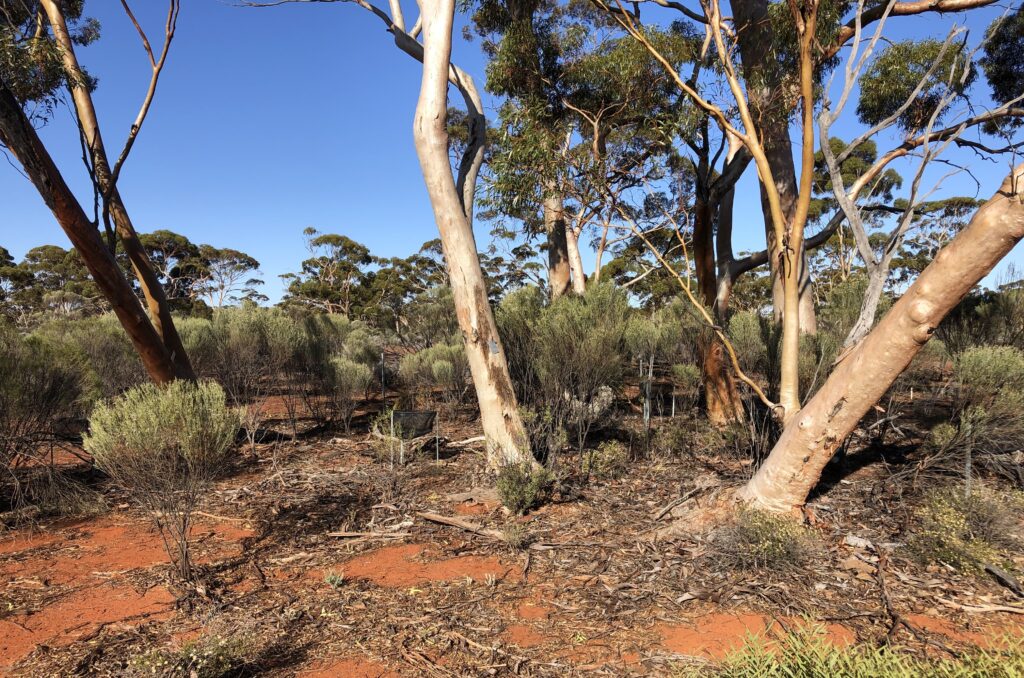
Monitoring along rainfall gradients to anticipate ecosystem change
South-western Australia is one of the world’s most extraordinary biodiversity
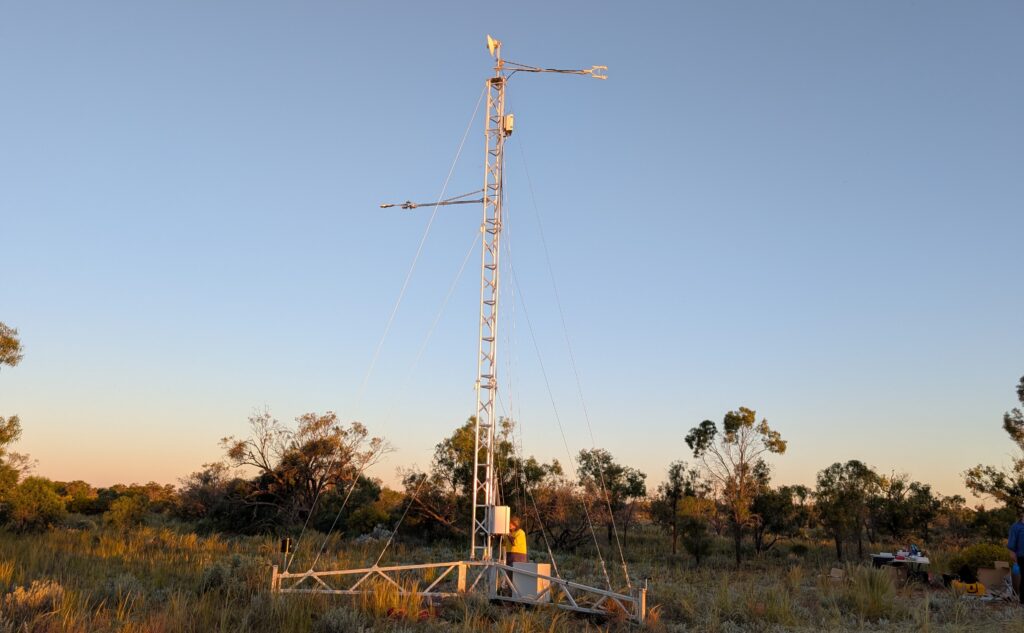
Measuring carbon, water and change at Australia’s longest-monitored ecological site
With co-contribution support from the South Australian Government and Adelaide
Upcoming Events
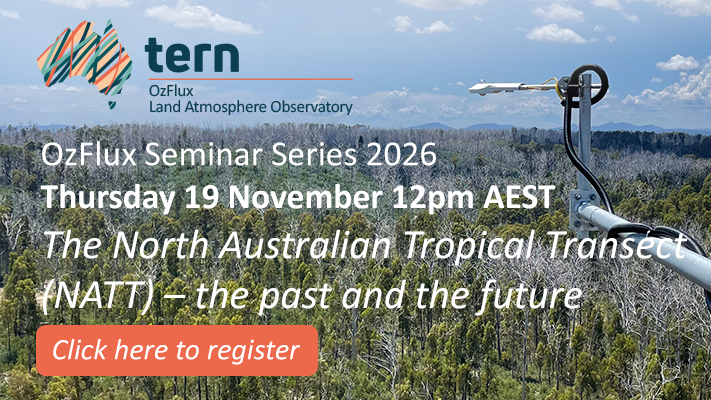
TERN‑OzFlux November Seminar
The upcoming talk ‘The North Australian Tropical Transect (NATT) – the past and the future’, provides a rare, sub-continental framework for climate change research in intact tropical savannas and grasslands.
Branching out in the field: Vegetation Stories
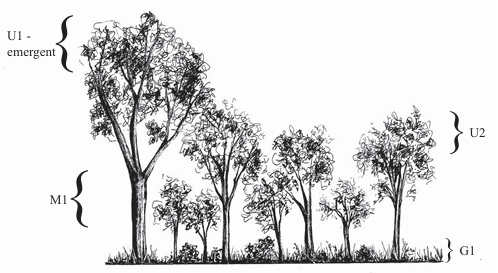
Vegetation Stories: hands-on NVIS vegetation classification. Workshop Convenors: Jeremy Groves (DCCEEW), Donna Lewis (TERN), Sarah Maunsell (DCCEEW) High-quality vegetation science begins with high-quality field data. This practical field workshop introduces
Branching out in the field: Entangle yourself in research infrastructure, art and education
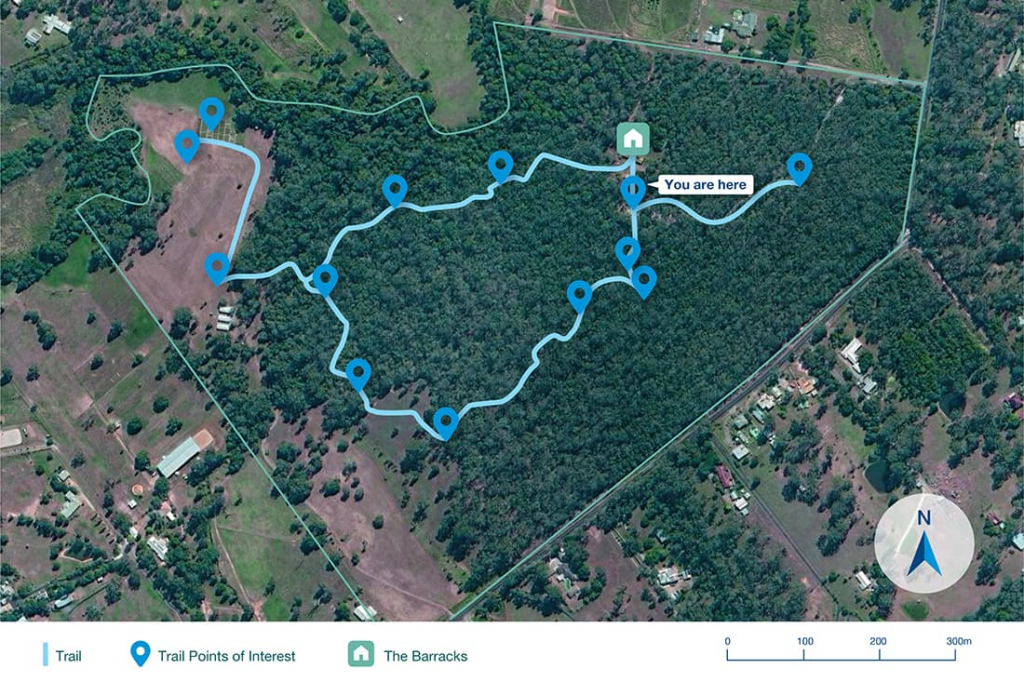
Entangle yourself in research infrastructure, art and education. Workshop Convenors: Eleanor Velasquez, Elisa Girola and Beryl Morris (TERN Australia) and Keith Armstrong and Dave Tucker (Queensland University of Technology). Join

EGU27
The EGU General Assembly 2027 will bring together geoscientists from around the world for a week of scientific exchange, collaboration, and discovery across all fields of the earth, planetary, and
If have a question for TERN, you can call us on 07 3365 9097, email the Engagement team at tern@uq.edu.au, or submit your enquiry online.
Get the TERN Newsletter
Project updates, data releases, research findings, and users stories direct to your inbox.